
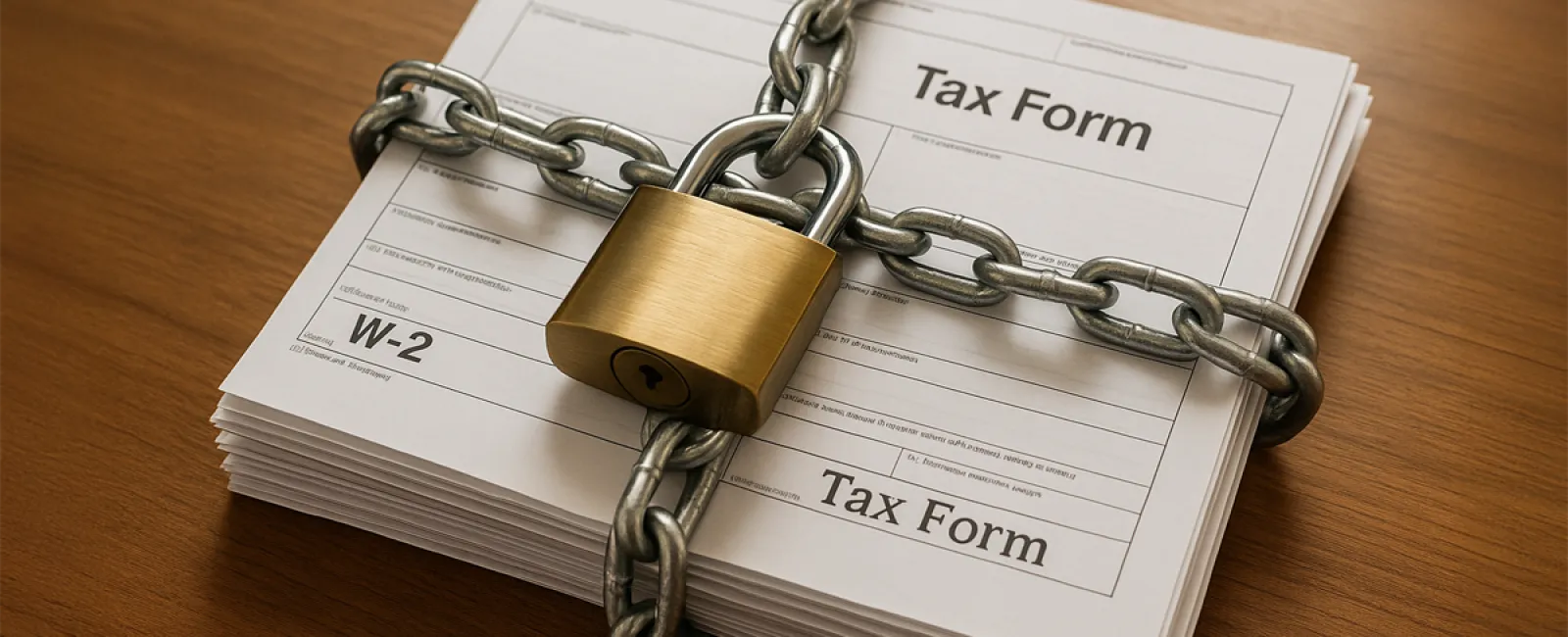
It's February—the peak of tax season. Accountants are busier than ever, bookkeepers are gathering vital documents, and everyone's heads are buried in W-2s, 1099s, and looming deadlines.
But there's a hidden danger no one marks on their calendar: the first major tax season headache often isn't a form—it's a sneaky scam.
In fact, one of the earliest threats arrives well before April, because it's simple, convincing, and targets small businesses directly. It could already be lurking in someone's inbox at your company.
Understanding the W-2 Scam: What You Need to Know
Here's the setup:
Someone on your team—usually in payroll or HR—receives an email appearing to come from the CEO, owner, or a senior executive.
The message is brief and urgent:
"I need copies of all employee W-2s for an upcoming meeting with the accountant. Please send them ASAP—I'm swamped today."
It seems legitimate. The tone fits the busy tax season. The urgency feels normal, and the request sounds reasonable.
So your employee complies and sends the W-2s.
Unfortunately, that email wasn't from your CEO. It's a criminal posing with a spoofed address or a deceptive look-alike domain.
Now, the scammer holds every employee's sensitive details:
• Full legal name
• Social Security number
• Home address
• Salary data
All the information needed to commit identity theft and file fraudulent tax returns before your employees even get a chance.
What Happens After the Scam Hits
Typically, victims discover the fraud when:
An employee files their tax return only to have it rejected because "a return has already been filed using this Social Security number."
Someone else has already filed under their name, claimed the refund, and received the money.
Now your employee faces months of dealing with the IRS, engaging credit monitoring services, securing identity theft protection, and navigating a mountain of paperwork—all stemming from a document they unknowingly sent.
Multiply this risk across your entire payroll. Imagine the damage when you have to tell your team their personal information is compromised because a fake email fooled one person.
This isn't just a security breach—it's a crisis of trust, a human resources nightmare, a possible lawsuit, and a serious hit to your company's reputation.
Why This Scam Is So Effective
This isn't a clumsy Nigerian prince scam. At first glance, it looks authentic.
It works because:
The timing is impeccable: W-2 requests during February are routine, so no one questions why they're happening now.
The request is credible: It's not asking for wire transfers or gift cards—just information commonly shared during tax season.
The urgency feels genuine: "I'm slammed today, can you send this quick?" seems typical in a busy office.
The sender seems legitimate: Scammers research your company, knowing CEO and accountant names, making the email look authentic.
Employees are eager to be helpful, especially towards leadership, so urgency overshadows careful verification.
How to Safeguard Your Business Right Now
The good news: you can stop this scam with straightforward policies and a culture shift—not expensive technology.
Establish a strict "no W-2s via email" rule. No exceptions. Sensitive payroll documents must never leave your organization as email attachments. If someone requests them by email—even if they claim to be the CEO—the answer is no.
Always verify sensitive requests through a second method: a phone call, in-person confirmation, or chat. Don't reply directly to the email. Use trusted contact info you already have. This simple step can prevent months of headaches.
Hold a quick, 10-minute tax scam briefing now. Don't wait. Inform your payroll and HR teams about the spike in scams, what these emails look like, and how to respond.
Secure your payroll and HR systems with multi-factor authentication (MFA). Should credentials be compromised, MFA provides a critical extra line of defense.
Promote a culture where double-checking suspicious emails is encouraged and praised. The employee who verifies a CEO's request isn't paranoid—they're protecting your business. When verification is rewarded, scams struggle to succeed.
Implementing these five simple steps this week can shield you from the initial waves of this scam.
Looking Beyond the W-2 Scam
The W-2 scam is just the beginning.
From now until April, brace for a surge of tax-related cyberattacks, including:
• Fraudulent IRS notices demanding immediate payments
• Phishing emails disguised as tax software updates
• Fake messages from "your accountant" containing harmful links
• Deceptive invoices mimicking legitimate tax expenses
Cybercriminals exploit tax season because everyone's focused elsewhere and financial requests seem routine.
Businesses that emerge unscathed aren't lucky—they're prepared with clear policies, ongoing training, and systems to detect suspicious activities before disaster strikes.
Is Your Business Prepared for Tax Season?
If your policies are set and your team knows how to spot scams, you're ahead of the curve compared to most small businesses.
If not, now is the crucial moment to act—not after the first scam impacts you.
If this sounds like your business, schedule a 15-minute Tax Season Security Check today.
During this free session, we will evaluate:
• Payroll/HR system access controls and MFA
• Your W-2 verification procedures
• Email security measures to block spoofing
• The key policy adjustments most companies overlook
If your business is already protected, fantastic. But if you know someone who isn't, please share this article. It could save them from costly damage.
Click here or give us a call at 404-719-5222 to schedule your free 15-Minute Discovery Call.
Because tax season is stressful enough—don't let identity theft make it worse.


